



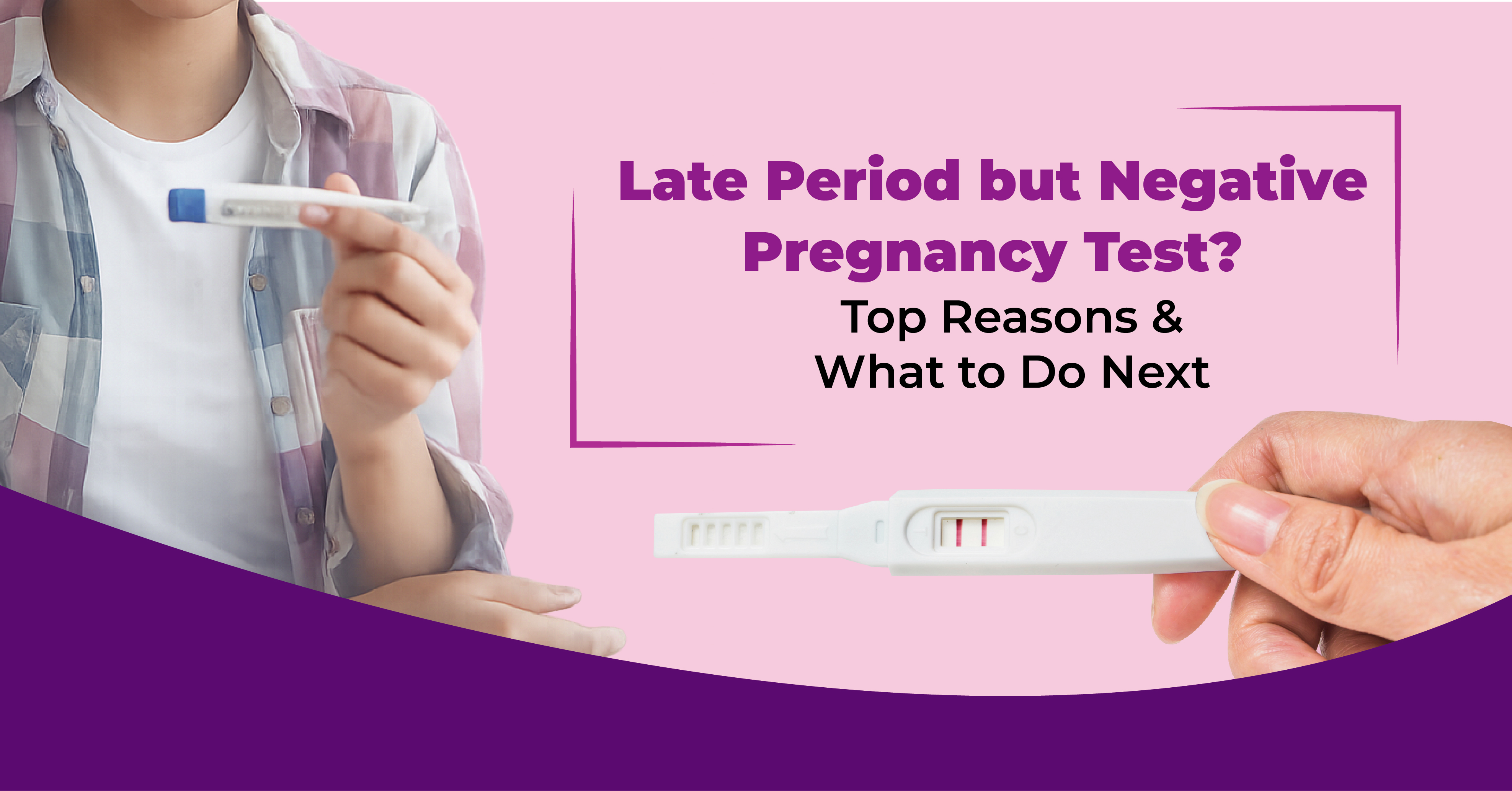
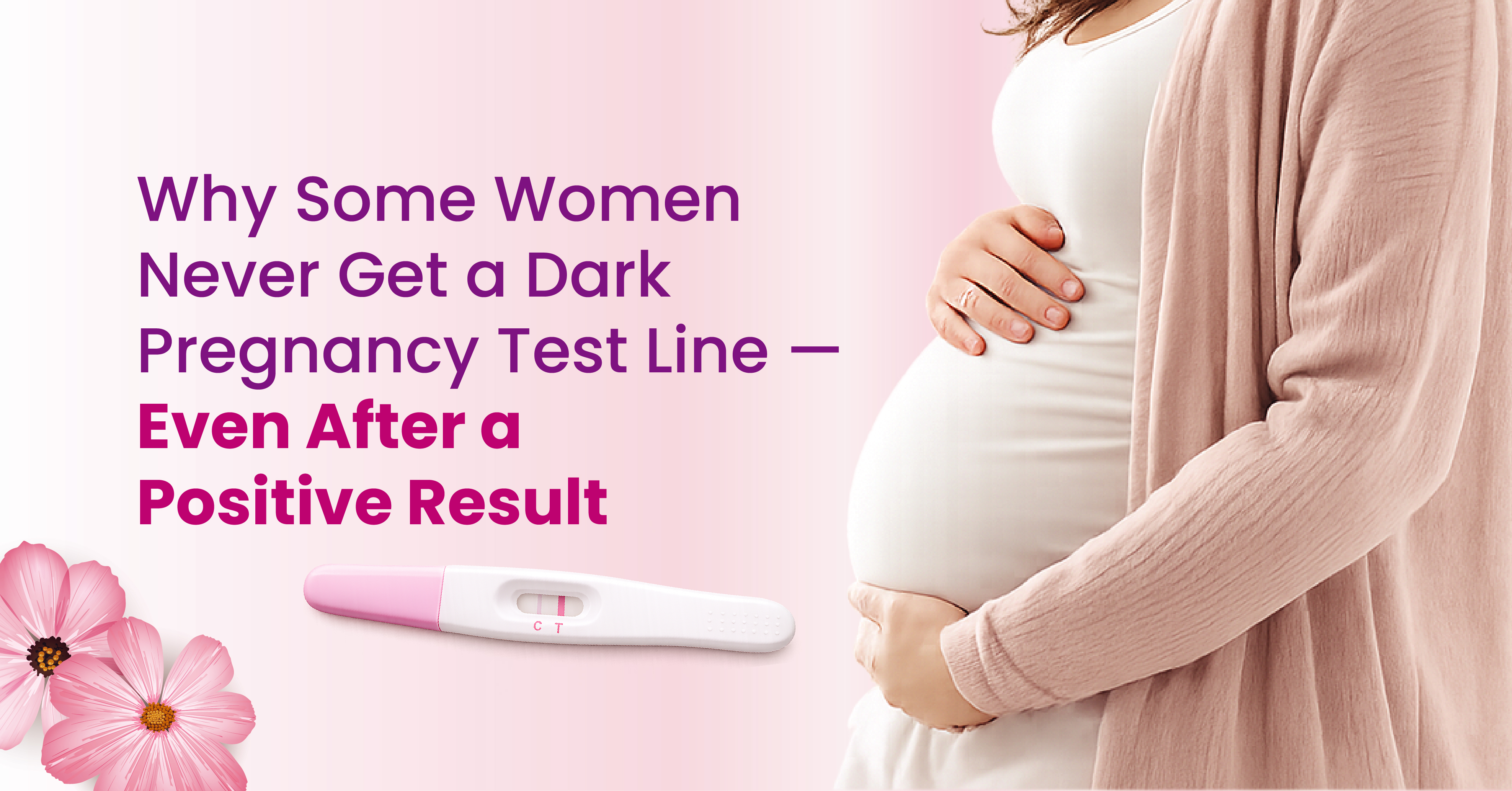
A late period but pregnancy test negative result can feel confusing and stressful. Many people assume that a missed period always means pregnancy, but that isn't always the case. Several factors - including hormonal changes, stress, cycle irregularities and testing timing - can lead to a negative pregnancy test after a missed period. Understanding the possible reasons helps you decide what to do next with clarity.
A pregnancy test kit detects the hormone hCG (human chorionic gonadotropin) in urine. This hormone begins to rise after a fertilised egg implants in the uterus.
In most cases:
However, testing too early or using diluted urine can affect pregnancy test accuracy after missed period.
If your period is late but pregnancy test negative, several factors could explain the result.
One of the most common reasons is testing before hCG levels are high enough to detect.
This can happen when:
In these cases, you might experience an early pregnancy test negative but pregnant situation.
Retesting after 48-72 hours may give a clearer answer.
Another reason for missed period but not pregnant reasons is irregular cycles.
Cycle irregularity can be influenced by:
When cycles vary each month, it becomes harder to predict ovulation, which can affect pregnancy testing timing.
Some pregnancies produce detectable hCG slightly later than others. This can result in a false negative pregnancy test causes scenario.
Possible reasons include:
Using first morning urine helps improve detection because hCG levels are more concentrated.
Drinking large amounts of fluids before testing may dilute urine and reduce detectable hCG levels.
This can lead to:
For better accuracy, testing with first morning urine is recommended.
Stress can delay ovulation and shift the menstrual cycle. When ovulation occurs later, the entire cycle shifts forward.
This often results in:
Understanding these missed period but not pregnant reasons can help reduce unnecessary anxiety.
Yes, it is possible to experience an early pregnancy test negative but pregnant situation.
This may happen if:
Retesting after a few days with a reliable pregnancy test kit often provides a clearer result.
If you are experiencing period late but pregnancy test negative, consider these testing tips:
Since hCG levels double every few days in early pregnancy, repeating the test can improve pregnancy test accuracy after missed period.
Sometimes a late period has nothing to do with pregnancy.
Common missed period but not pregnant reasons include:
If your period is consistently irregular, a gynecologist can help identify the underlying cause.
If you experience:
It is best to consult a gynecologist. They may recommend:
Medical confirmation helps provide clarity and guidance for the next steps.
To avoid confusion from period late but pregnancy test negative results:
Correct timing and proper usage significantly improve pregnancy test accuracy after missed period.
Why is my pregnancy test negative after a missed period?
A negative result can happen due to early testing, late ovulation, diluted urine or low hCG levels.
Can I still be pregnant if my test is negative?
Yes, an early pregnancy test negative but pregnant situation can occur if hCG levels are still low.
How long should I wait to test again?
It is best to wait 48-72 hours before repeating the test.
What causes a false negative pregnancy test?
Common false negative pregnancy test causes include early testing, diluted urine and late implantation.
When should I see a gynecologist?
If your period remains delayed for more than two weeks or results are unclear, consult a gynecologist.
Experiencing a late period but pregnancy test negative result is common and often linked to timing, hormone levels or cycle irregularities. While pregnancy may still be possible in some cases, repeating the test after a few days and using a reliable pregnancy test kit can provide clearer answers. If uncertainty continues, consulting a gynecologist is the best way to confirm results and understand the next steps.

Join Pregaflash for exclusive insights, expert tips, and special promotions. Your well-being matters, and we're here to support you.
Sign up now! - The Pregaflash Team