



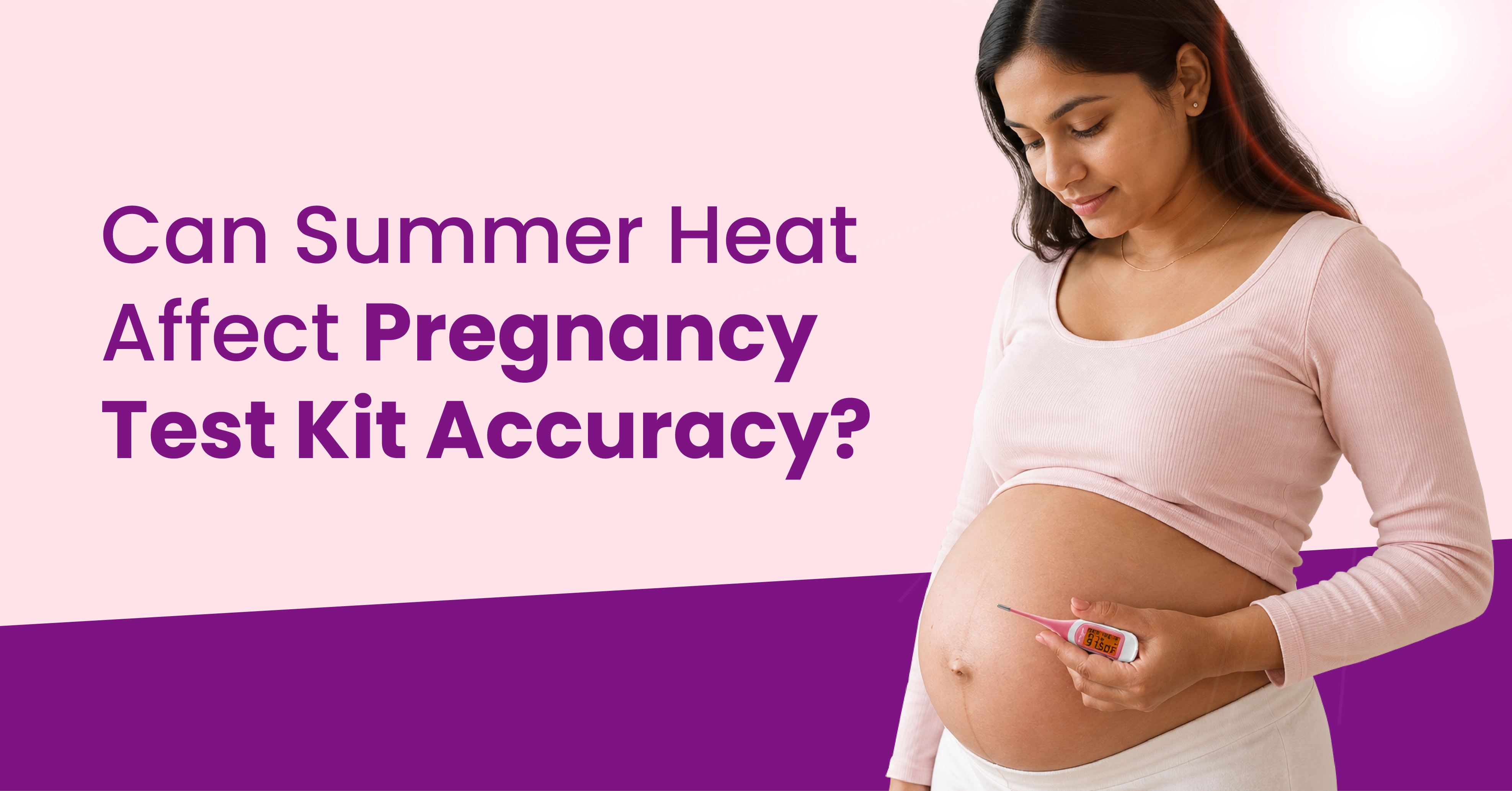
Home pregnancy test kits are widely used for quick and convenient early pregnancy detection. However, many people wonder whether extreme summer temperatures, humidity, or improper storage conditions can affect test accuracy.
Pregnancy kits are designed to detect the hormone hCG (human chorionic gonadotropin) in urine, but environmental factors such as heat exposure may impact the performance of sensitive testing components if the kit is not stored correctly.
This article explains how summer heat may affect pregnancy test kit accuracy, proper storage practices, common reasons for false results, and how to improve home pregnancy test reliability.
Pregnancy test kits detect hCG, a hormone produced after implantation during early pregnancy.
Most urine pregnancy tests identify elevated hCG levels in urine within days after a missed period.
Can heat affect pregnancy test kit accuracy?
Yes. Excessive heat, humidity, or improper storage may damage sensitive chemicals inside a pregnancy test kit and potentially affect result accuracy. Always store pregnancy kits according to manufacturer instructions.
Pregnancy test strips contain chemical reagents that react with hCG hormones. High temperatures may affect these components over time.
Extreme heat exposure may occur when kits are
Improper storage conditions may lead to
This is why checking storage instructions and expiry dates is important.
Most home pregnancy kits should be stored
Avoid storing test kits in areas with fluctuating temperatures.
Most pregnancy test manufacturers do not recommend refrigeration unless specifically mentioned in product instructions.
One of the most common causes of false-negative pregnancy tests is testing before hCG levels rise sufficiently.
Drinking excessive fluids before testing may dilute urine and affect detection sensitivity.
Expired kits may produce unreliable or invalid results.
Errors such as
may affect test accuracy.
Many healthcare professionals recommend using first-morning urine because hCG concentration may be higher.
For improved accuracy
To improve pregnancy test reliability
Seek medical advice if
Yes. Improper storage in extreme heat may affect kit sensitivity, though testing too early is a more common reason for false negatives.
Excessive moisture and humidity may damage testing strips if packaging is compromised.
Bathrooms may not be ideal because humidity and temperature changes can affect kit stability.
Prolonged exposure to high temperatures may damage sensitive reagents and affect reliability.
Yes. Expired pregnancy tests may produce inaccurate or invalid results.
Direct sunlight and excessive heat exposure may damage test components over time.
Accuracy depends on proper usage, timing, and storage conditions.
Severe dehydration or excessive fluid intake may influence urine concentration and test sensitivity.
If results are unclear or symptoms continue, repeat testing after 48-72 hours or consult a healthcare professional.
Proper storage and correct usage play an important role in maintaining home pregnancy test accuracy, especially during hot summer months. Heat, humidity, and direct sunlight may affect sensitive testing components if pregnancy kits are not stored as recommended.
PregaFlash provides easy-to-use home pregnancy testing kit designed for quick and convenient early detection. With user-friendly pregnancy test kits developed for reliable self-testing, PregaFlash supports women in making informed reproductive health decisions with confidence.

Join Pregaflash for exclusive insights, expert tips, and special promotions. Your well-being matters, and we're here to support you.
Sign up now! - The Pregaflash Team