



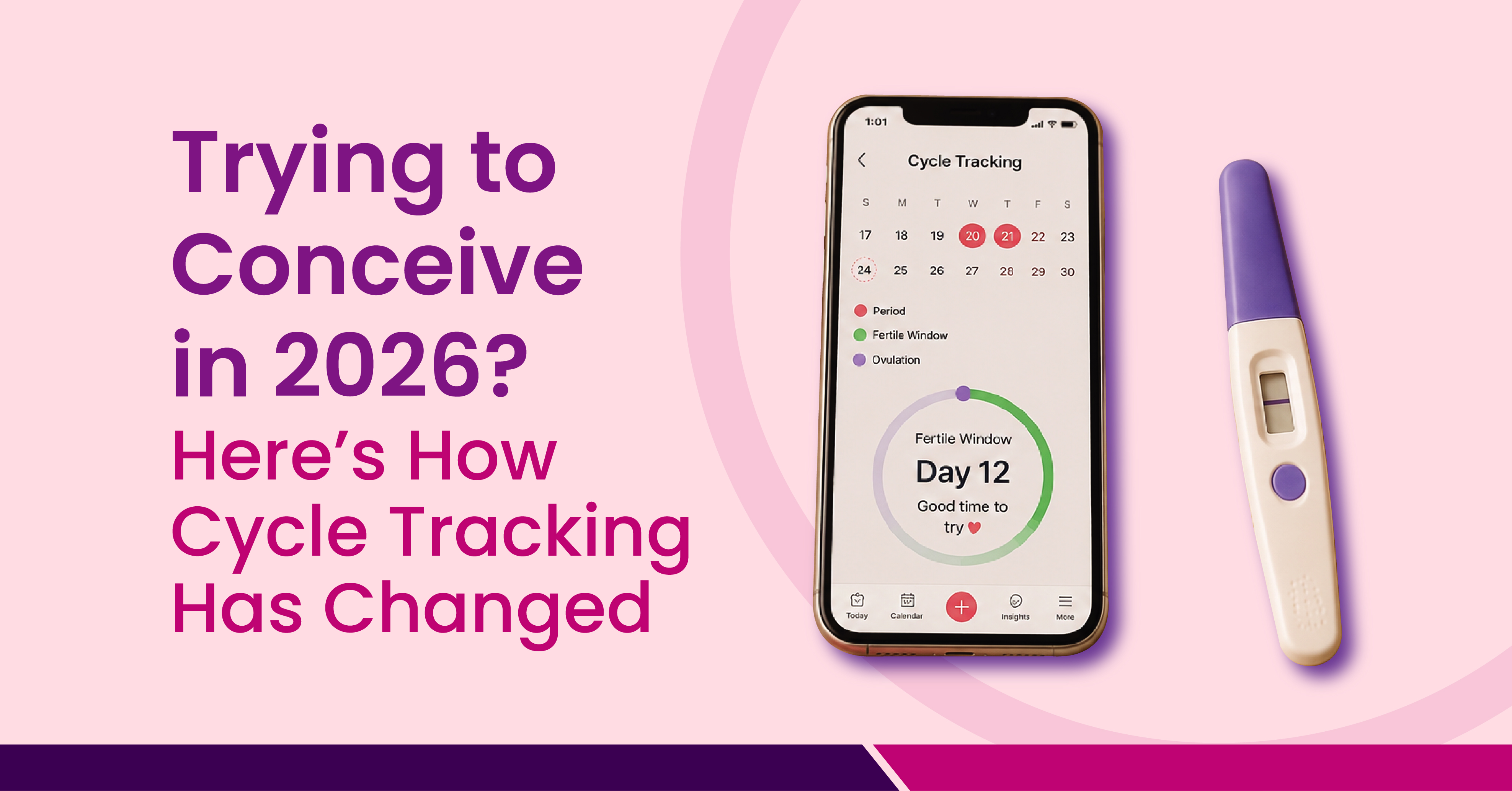
Trying to conceive is no longer limited to counting dates on a calendar. In 2026, cycle tracking has become smarter, more personalised, and more data-driven than ever before. From ovulation tracking apps to advanced pregnancy detection methods, couples now have better tools to understand fertility windows and improve conception planning naturally.
Modern fertility tracking focuses on identifying ovulation patterns, hormonal changes, basal body temperature trends, and early pregnancy signs more accurately. Combined with reliable home pregnancy testing solutions, these innovations are helping individuals make more informed reproductive health decisions.
This article explains how cycle tracking has evolved, the latest fertility tracking methods, and how modern pregnancy testing supports women trying to conceive.
Traditional cycle tracking mainly relied on estimating ovulation based on a 28-day menstrual cycle. However, every woman’s cycle is different, and newer fertility approaches now focus on personalised tracking.
Women trying to conceive now commonly use
These tools help identify fertile windows more accurately.
How does modern cycle tracking help with conception?
Modern cycle tracking uses ovulation prediction, hormonal pattern monitoring, fertility apps, and cycle analysis to identify fertile days more accurately, helping couples improve conception planning naturally.
The fertile window refers to the days during a menstrual cycle when pregnancy is most likely to occur.
This usually includes
Common ovulation signs include
Tracking these changes may improve fertility awareness.
Modern tracking apps now use AI-supported algorithms to analyse
This provides more accurate fertility predictions compared to manual calendar tracking alone.
Couples are increasingly using fertility awareness methods to
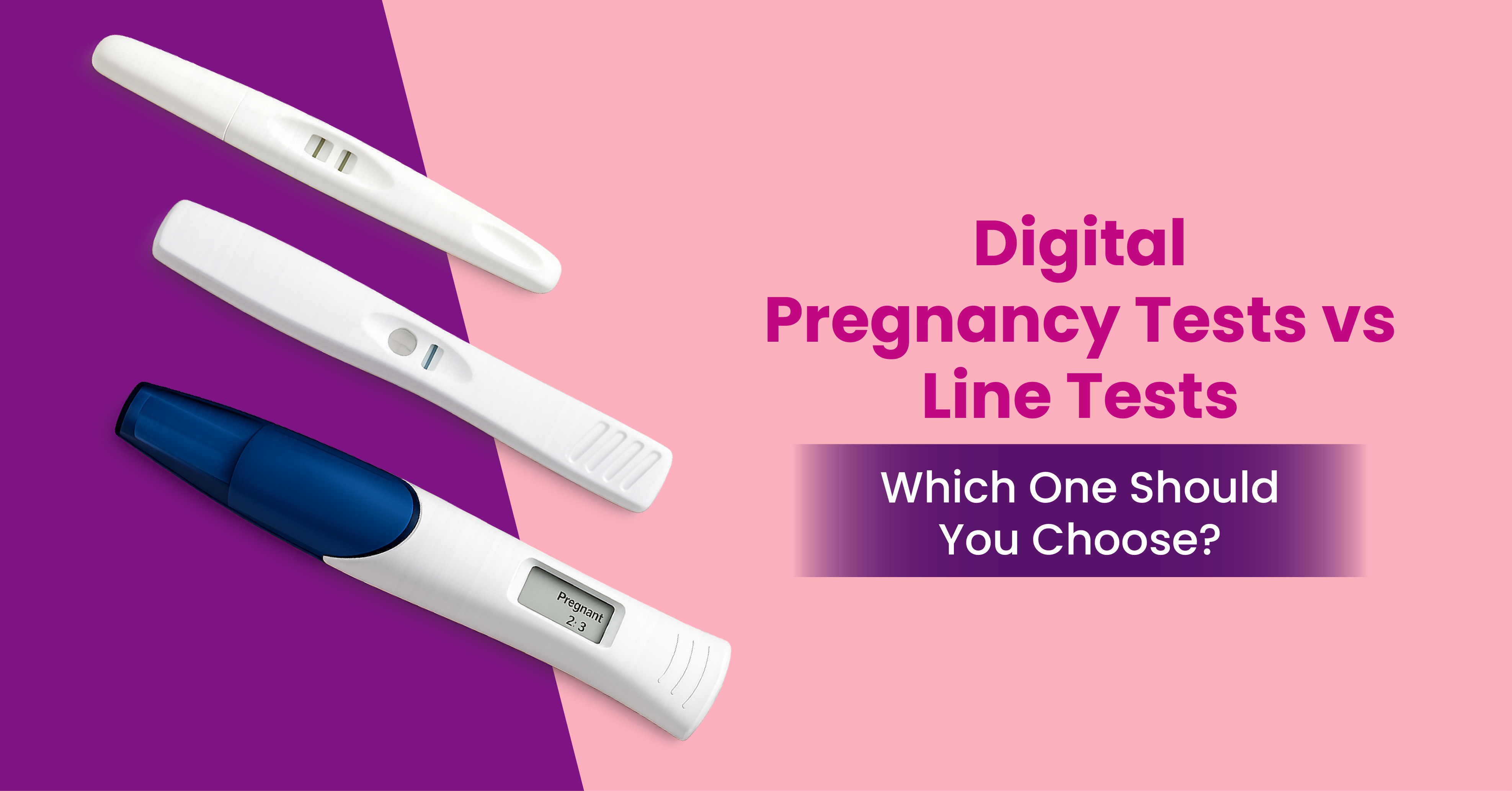
Modern pregnancy tests are designed for
Home pregnancy testing has become an important part of fertility planning and reproductive health management.
Pregnancy tests are commonly recommended
Testing too early may affect accuracy.
Several lifestyle factors may impact conception, including
Tracking cycles regularly may help women recognise
Early medical guidance may improve reproductive health management.
Many fertility apps can provide useful cycle estimates, but accuracy depends on regular data entry and individual cycle variation.
Yes. However, irregular cycles may make ovulation prediction more challenging.
Ovulation tracking methods often provide more personalised fertility insights than calendar estimates alone.
Professional evaluation may be recommended if conception does not occur after:
Many women combine fertility apps, ovulation predictor kits, and symptom tracking for better accuracy.
Yes. Stress may influence hormonal balance and menstrual regularity.
Some sensitive pregnancy tests may detect pregnancy hormones before a missed period, depending on hormone levels.
Irregular periods may sometimes indicate ovulation irregularities, but many women with irregular cycles can still conceive.
Regular tracking may help improve awareness of cycle patterns and fertile windows.
Trying to conceive in 2026 involves far more than simply tracking dates. Modern cycle tracking tools, ovulation monitoring methods, and early pregnancy detection solutions are helping couples better understand fertility patterns and make informed reproductive health decisions.
PregaFlash offers eary detection pregnancy kit designed for convenience, accuracy, and early testing support, helping women navigate their fertility journey with greater confidence and awareness.
Join Pregaflash for exclusive insights, expert tips, and special promotions. Your well-being matters, and we're here to support you.
Sign up now! - The Pregaflash Team