



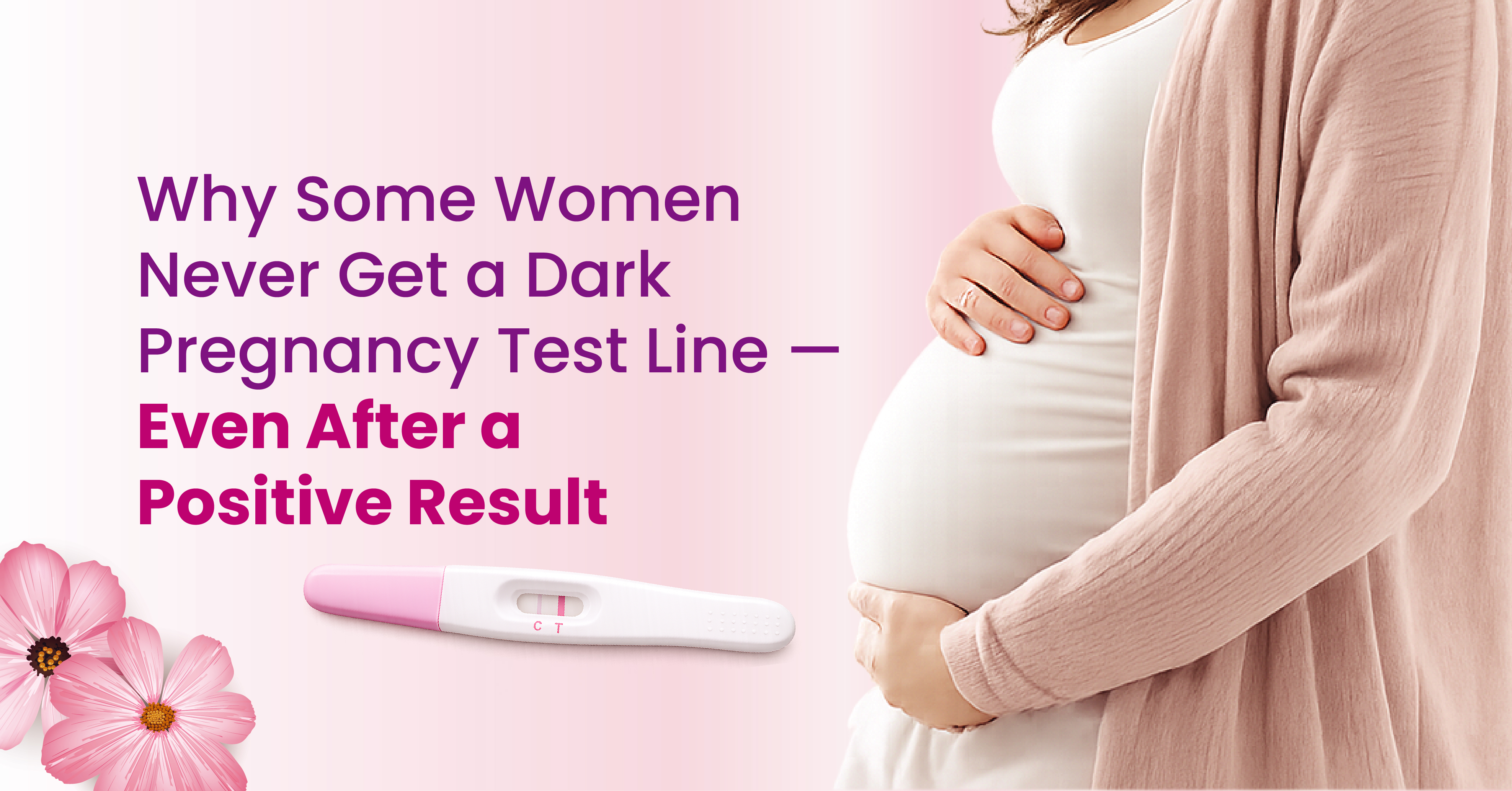
Seeing a faint line on a home pregnancy test can create confusion and anxiety, especially when the line never seems to get darker over time. Many women assume that a dark pregnancy test line always means a healthy pregnancy, while a lighter line may indicate a problem. However, this is not always true.
Pregnancy test line darkness can vary based on hormone levels, hydration, testing time, test sensitivity, and individual body differences. Even after a confirmed positive result, some women may continue to see faint or lighter lines throughout early pregnancy.
This article explains why pregnancy test lines may remain light, what affects line intensity, when to retest, and when medical advice may be necessary.
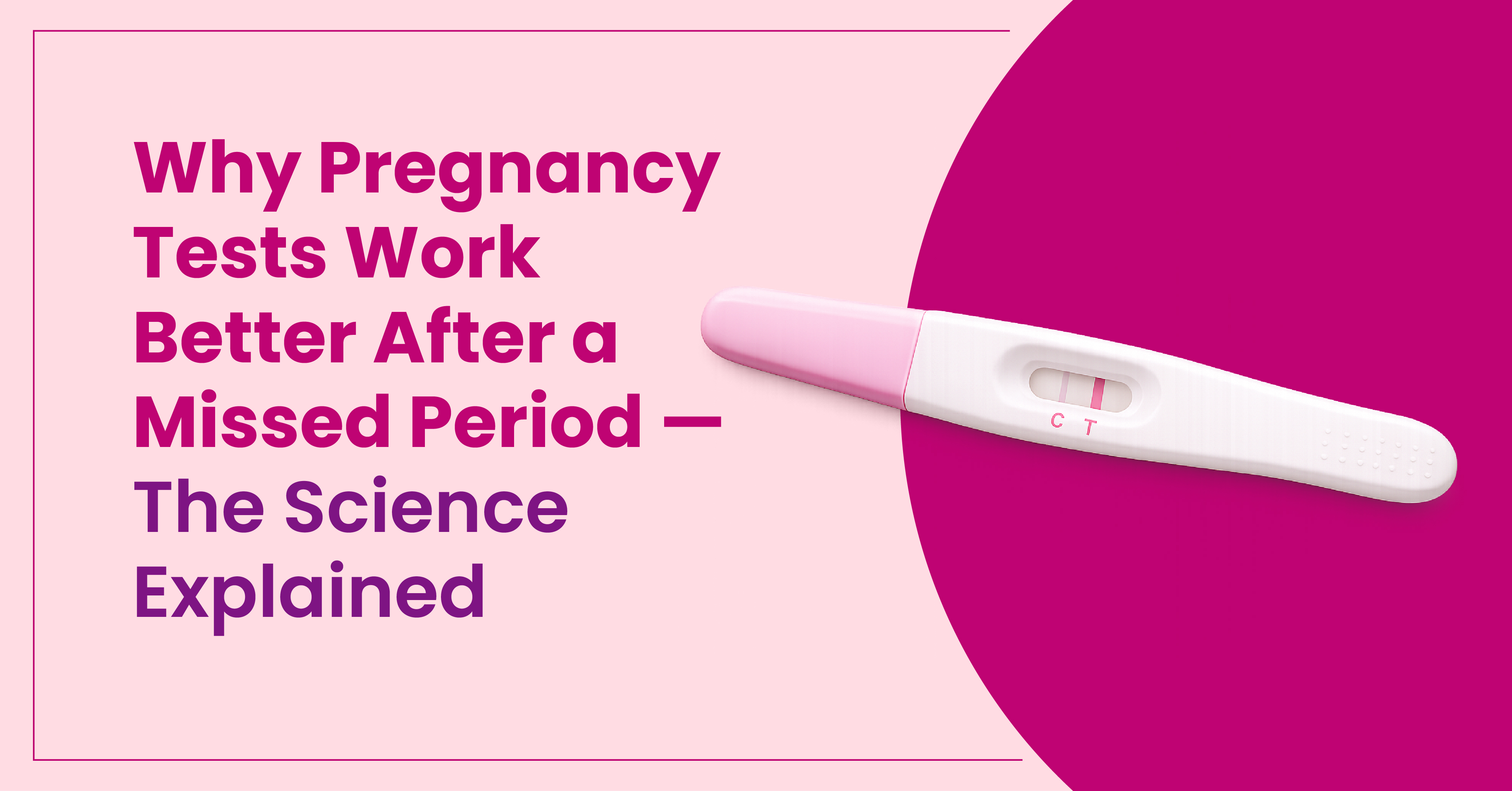
Home pregnancy tests detect the hormone human chorionic gonadotropin (hCG) in urine.
After implantation, the body begins producing hCG, and levels usually increase during early pregnancy. Most pregnancy detection kits work by identifying this hormone through a test strip reaction.
Why is my pregnancy test line not getting darker?
A pregnancy test line may stay faint due to lower hCG levels, diluted urine, early testing, hydration, test sensitivity differences, or natural hormonal variation. A faint positive result can still indicate pregnancy, especially if confirmed with repeat testing or medical evaluation.
One of the most common reasons for a light line is testing very early in pregnancy.
During the first few days after implantation, hCG levels may still be low, resulting in
Drinking large amounts of water before testing may dilute hCG concentration in urine.
For more accurate results, many healthcare professionals recommend:
Every pregnancy develops differently. Some women naturally produce hCG at slower rates while still having healthy pregnancies.
A darker line does not always mean a “stronger” pregnancy.
Different home pregnancy kits detect different hCG levels.
Some highly sensitive early pregnancy tests may show
Using different brands may also affect line appearance.
A faint line can still indicate a positive pregnancy result if it appears within the recommended reading time.
Many healthy pregnancies begin with faint positive results.
Medical advice may be recommended if
In some cases, faint lines that do not darken may be associated with a very early pregnancy loss known as a chemical pregnancy.
However, home pregnancy tests alone cannot confirm pregnancy health or viability.
Many women take multiple tests over several days to observe whether the line becomes darker as hCG increases.
Pregnancy tests are designed primarily to detect hCG presence - not accurately measure hormone levels.
Factors such as
can affect perceived line darkness.
Rarely, extremely high hCG levels may cause an unusually lighter line due to the “hook effect”.
This can occur later in pregnancy when hormone levels become very high.
If the line is faint, many experts suggest retesting after
Since hCG levels often rise every few days in early pregnancy, repeat testing may provide clearer results.
A doctor may recommend
if there is uncertainty regarding pregnancy progression.
When selecting a home pregnancy test kit, many users prefer
Incorrect use can affect test results.
Common mistakes include
Yes. Even a faint visible line within the reading window may indicate pregnancy.
Not necessarily. Hormone levels and test sensitivity vary between individuals.
Yes. First morning urine is usually more concentrated and may improve test accuracy.
Yes. Excessive hydration before testing may dilute hCG levels.
It may indicate early pregnancy, low hCG levels, or diluted urine.
Many home pregnancy tests can detect pregnancy from the first day of a missed period, though sensitivity varies.
Stress itself does not usually affect the test directly, but hormonal changes and timing may influence testing accuracy.
No. Both faint and dark positive lines may indicate pregnancy if read correctly.
Certain fertility medications containing hCG may influence results.
Pregnancy test line intensity can vary widely from person to person, and a faint positive result does not automatically indicate a problem. Factors such as early testing, urine concentration, hormone levels, and test sensitivity all play a role in how dark a line appears.
For women looking for reliable early pregnancy detection, PregaFlash offers pregnancy test kits designed for convenient home testing with easy-to-read results and early detection support. Following the test instructions carefully, testing at the right time, and consulting a healthcare professional when needed can help ensure more accurate pregnancy confirmation and greater peace of mind.
Remember, the presence of a positive line-whether faint or dark-may indicate pregnancy if the test is used correctly. If you're unsure about your result or have concerns about your pregnancy, repeat the test after 48 hours or seek medical advice for further evaluation and confirmation.

Join Pregaflash for exclusive insights, expert tips, and special promotions. Your well-being matters, and we're here to support you.
Sign up now! - The Pregaflash Team