



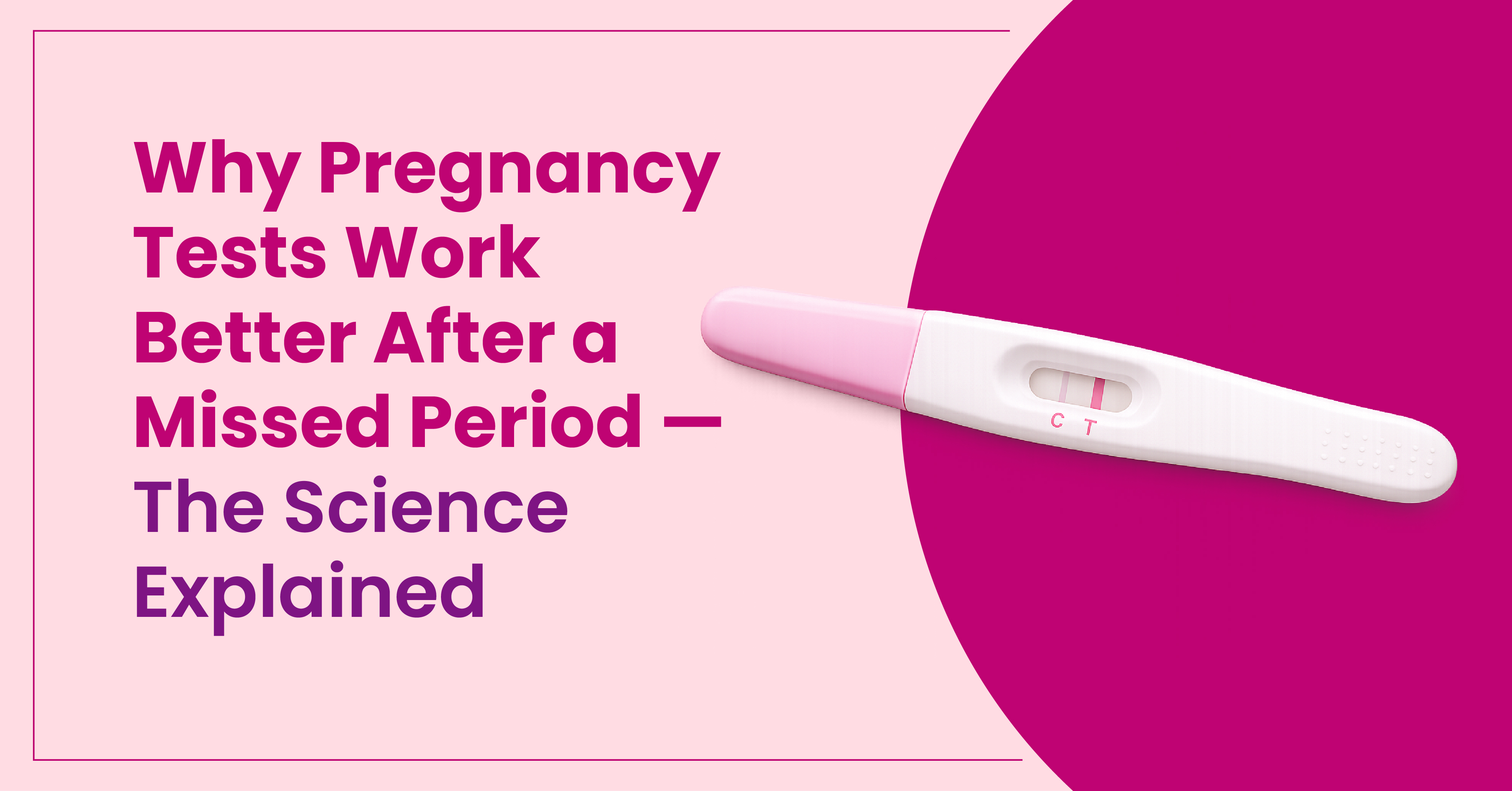
Many women take a pregnancy test as soon as they suspect pregnancy. However, testing too early can sometimes lead to inaccurate or false-negative results. This is why healthcare professionals often recommend waiting until after a missed period before using a home pregnancy test kit.
Pregnancy tests work by detecting a hormone called human chorionic gonadotropin (hCG), which increases gradually after implantation. Understanding how hCG levels rise can help explain why pregnancy tests are usually more reliable after a missed period.
This article explains the science behind pregnancy test accuracy, early pregnancy detection, false negatives, and the best time to use a pregnancy test kit.
Pregnancy tests detect the presence of human chorionic gonadotropin (hCG) in urine.
hCG is a hormone produced after a fertilised egg attaches to the uterine lining. Its levels rise rapidly during early pregnancy.
Most home pregnancy test kits work by identifying hCG in urine samples. If enough hCG is present, the test displays a positive result.
PregaFlash Pregnancy Test Kit is designed for quick and convenient home pregnancy detection with easy-to-read results.
Immediately after conception, hCG levels are still very low. It usually takes several days after implantation for the hormone to rise enough to be detected reliably in urine.
By the time a woman misses her period, hCG levels are generally higher, improving pregnancy test accuracy.
Why should you wait until after a missed period for a pregnancy test? Pregnancy tests are usually more accurate after a missed period because hCG hormone levels become high enough to detect reliably in urine. Testing too early may lead to false-negative results due to low hCG levels.
Testing before a missed period may show a negative result even if pregnancy has occurred.
This happens because
Some women experience symptoms before a missed period, including
However, symptoms alone cannot confirm pregnancy.
First-morning urine usually contains the highest hCG concentration, especially in early pregnancy.
If the first result is negative but periods still do not begin, repeating the test after 48-72 hours may improve accuracy.
Several factors may influence test accuracy
Yes. Stress, hormonal imbalance, illness, and lifestyle changes can sometimes delay menstruation even without pregnancy.
Some pregnancy tests are designed to detect lower hCG levels earlier than others.
Highly sensitive pregnancy tests may identify pregnancy closer to the expected period date, although accuracy improves after a missed period.
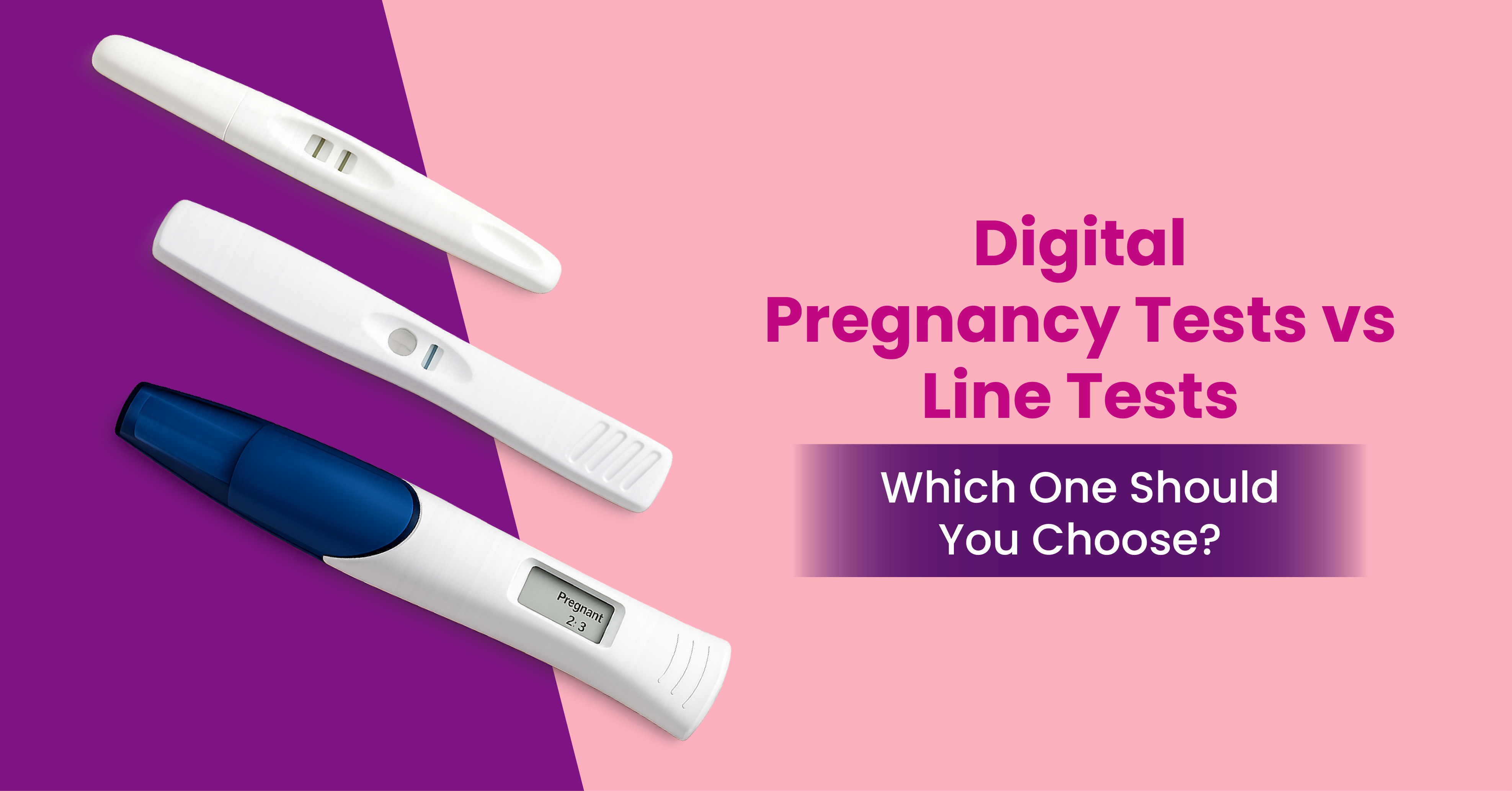
Home pregnancy kits are available in multiple formats
Each type aims to detect hCG hormone levels in urine.
Yes, some sensitive tests may detect pregnancy early, but results may be less reliable.
Many healthcare professionals recommend testing from the first day of a missed period for more accurate results.
Yes. Excess fluid intake may dilute urine and lower detectable hCG concentration.
Certain fertility medications containing hCG may affect results. Most common medicines usually do not interfere.
This may happen due to late ovulation, low hCG levels, irregular cycles, or incorrect testing timing.
Many home pregnancy tests are highly accurate when used correctly after a missed period.
Yes. Late implantation may delay hCG production and affect early testing accuracy.
Yes. Medical confirmation and prenatal care are important after a positive pregnancy test.
Yes. Irregular cycles may make it harder to determine the ideal testing time.
Understanding how pregnancy tests work can help reduce confusion and improve testing accuracy during early pregnancy. Since hCG hormone levels increase gradually after implantation, waiting until after a missed period usually provides more reliable results and lowers the chances of false negatives.
PregaFlash offers convenient home pregnancy test kits designed for quick, simple, and easy-to-read pregnancy detection, helping women take the next step toward informed reproductive health decisions with greater confidence.

Join Pregaflash for exclusive insights, expert tips, and special promotions. Your well-being matters, and we're here to support you.
Sign up now! - The Pregaflash Team