



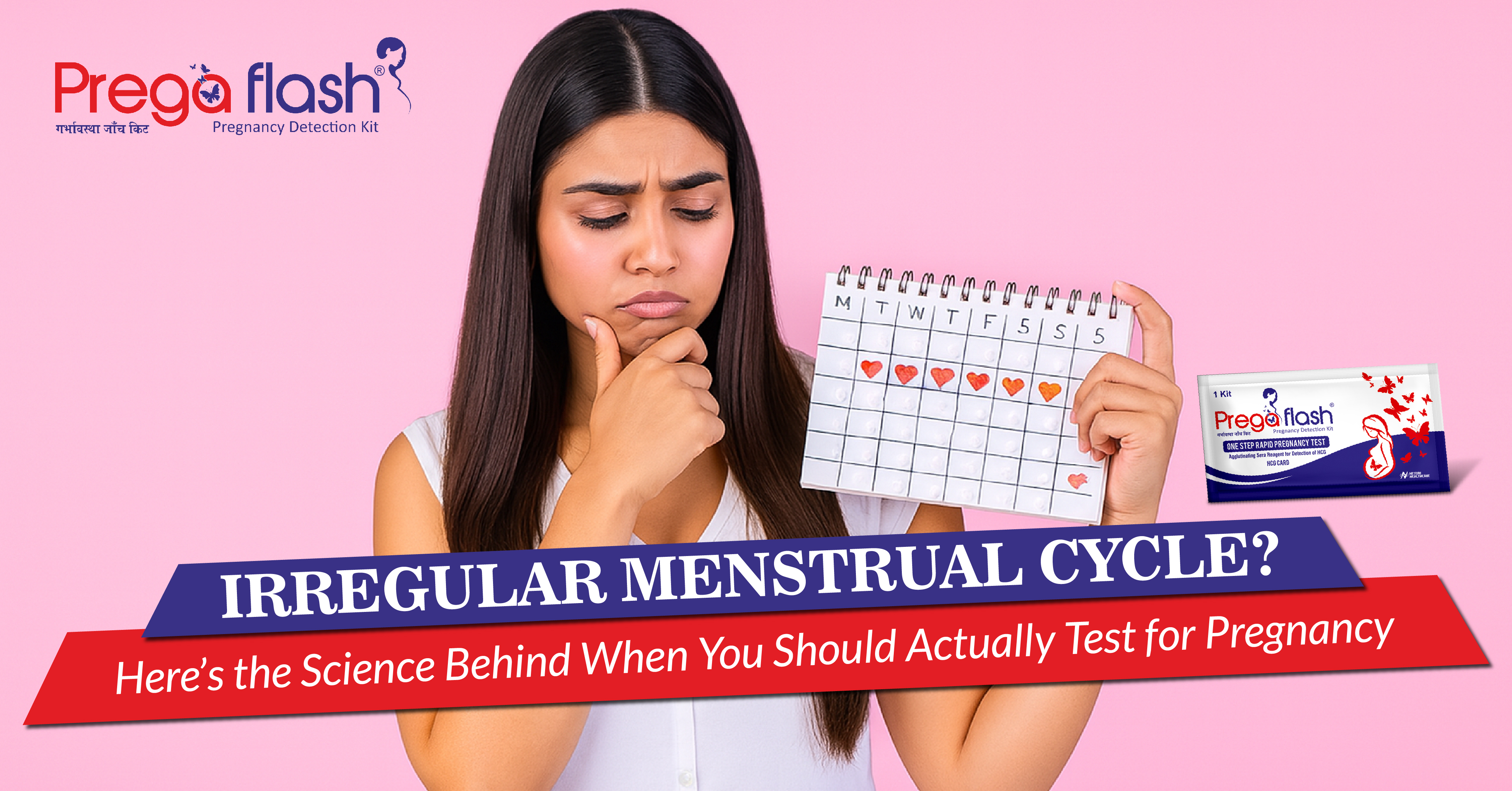
If you're someone whose cycle never follows the "standard 28-day rule," you know the monthly anxiety all too well.
Some months your period shows up early.
Some months it skips.
Some months it takes you through an emotional rollercoaster before finally arriving.
And here comes the tricky part:
If you've ever asked yourself:
...then this blog is going to make your life MUCH easier.
Let's break it down using real science, relatable explanations, and clear answers.
With a regular 28-day cycle, testing is straightforward - you test after a missed period, usually around day 29 or later.
But with irregular periods, the body doesn't follow predictable patterns.
Your cycle may vary because of:
When the cycle length is unpredictable, you cannot rely on the traditional "missed period" timing.
And that's what affects the pregnancy test irregular periods dilemma.
Let's simplify.
A pregnancy test detects hCG (Human Chorionic Gonadotropin) - the hormone produced after implantation.
Here's the timeline:
So the key factor isn't your period date...
It's your ovulation date.
And this is exactly why irregular cycles complicate pregnancy testing.
Because irregular periods often mean irregular ovulation.
You might ovulate:
This means the pregnancy test might show accurate results earlier or later than expected.
Which brings us to the big question...
Here's the science-backed, doctor-approved answer.
Regardless of cycle irregularity, implantation + hCG rise usually takes 14-15 days.
So if you're trying to conceive or had unprotected intercourse, this window gives good accuracy.
This is the most reliable method for anyone with unpredictable cycles.
It accounts for:
This improves irregular periods pregnancy test accuracy significantly.
If you use:
Then simply test 14 days after your positive ovulation signal.
This is the best time to take pregnancy test with irregular periods because it's tailored to your body.
Example:
If your cycles range from 30-45 days:
This increases the chance of catching rising hCG levels.
Most false negatives come from early testing.
Without knowing the ideal window, emotional stress increases.
Sometimes hCG rises late.
Breast tenderness, bloating, and mood swings happen in BOTH PMS and early pregnancy.
Here's what you can trust more than cycle dates:
But symptoms alone are NOT proof.
Only hCG testing can confirm pregnancy.
Let's clear some myths.
Irregular ovulation - delayed hCG - delayed positive.
Highly sensitive tests detect lower hCG levels.
Morning urine is always recommended for better accuracy.
PCOS may cause faint lines or false positives due to hormonal fluctuations.
Fertility medicines like hCG injections affect results.
Stress doesn't affect the test result - but it delays ovulation, which delays positivity.
Use these to avoid confusion:
Always use early-morning urine
Take the test at least 21 days after unprotected sex
Repeat every 3-4 days if negative
Avoid drinking water before testing
Track signs of ovulation if possible
Use a high-sensitivity pregnancy kit
Consult a doctor if cycles are extremely irregular
Early testing = emotional rollercoaster
Accurate testing = peace of mind
Remember:
Pregnancy test kit don't predict pregnancy -
But detect hCG at the right time.
PCOS causes:
This makes period tracking unreliable.
Test 21 days after last unprotected sex
If negative, repeat after 1 week
If still negative and no period - get a blood hCG test
These support hormonal balance and improve predictability of ovulation.
Seek medical help if:
A doctor may suggest:
This helps identify any underlying reasons for irregularity.
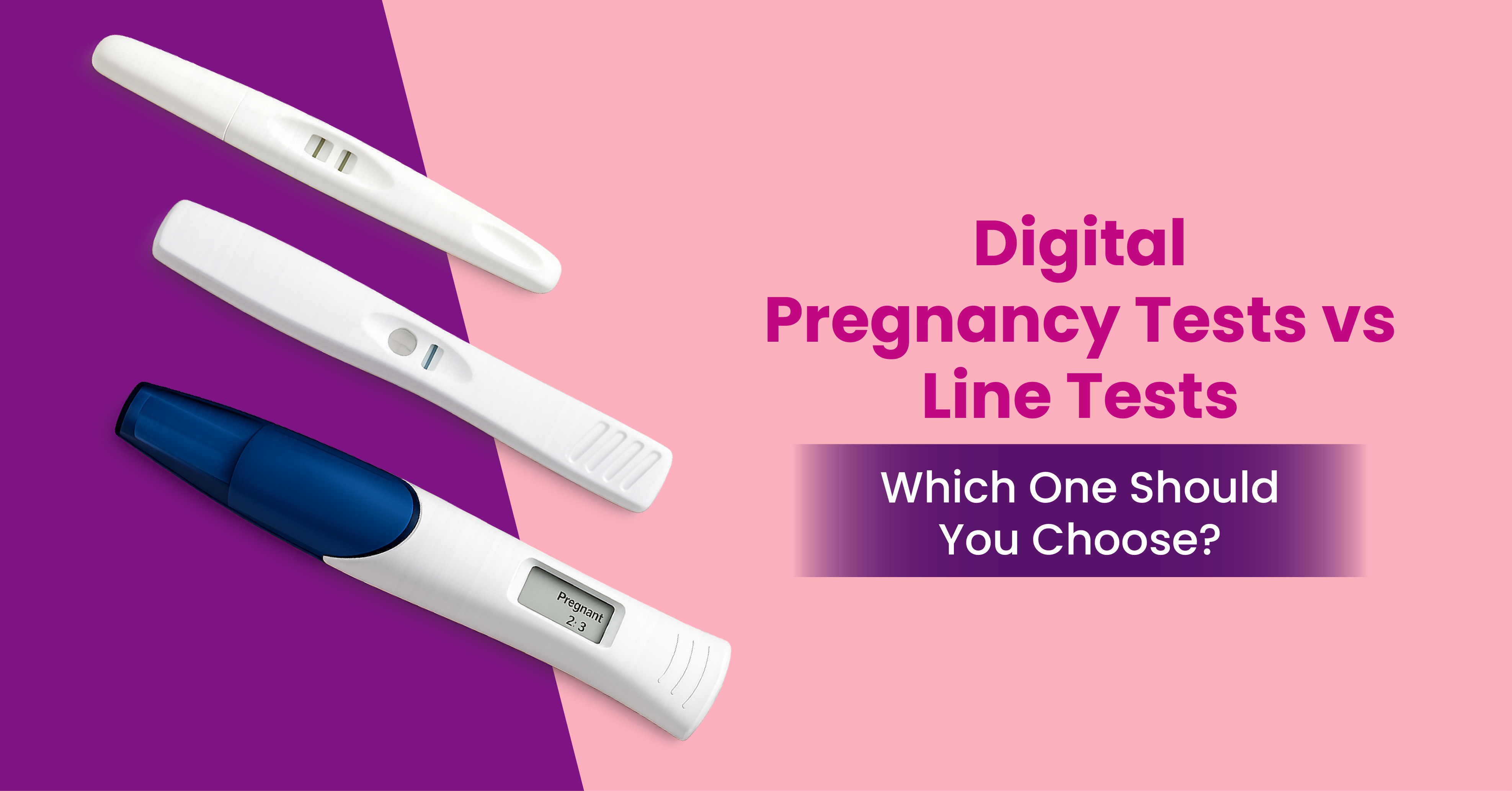
Digital tests are great because they:
However, they're still dependent on your timing.
If you remember only ONE thing from this blog, let it be this:
This increases irregular periods pregnancy test accuracy dramatically.
Women with irregular cycles often struggle to identify the right pregnancy testing window. Because ovulation varies month to month, the best time to take a pregnancy test with irregular periods is 14-21 days after intercourse, or 14 days after suspected ovulation. Understanding your ovulation timing increases pregnancy test irregular periods accuracy and reduces emotional stress.

Join Pregaflash for exclusive insights, expert tips, and special promotions. Your well-being matters, and we're here to support you.
Sign up now! - The Pregaflash Team