



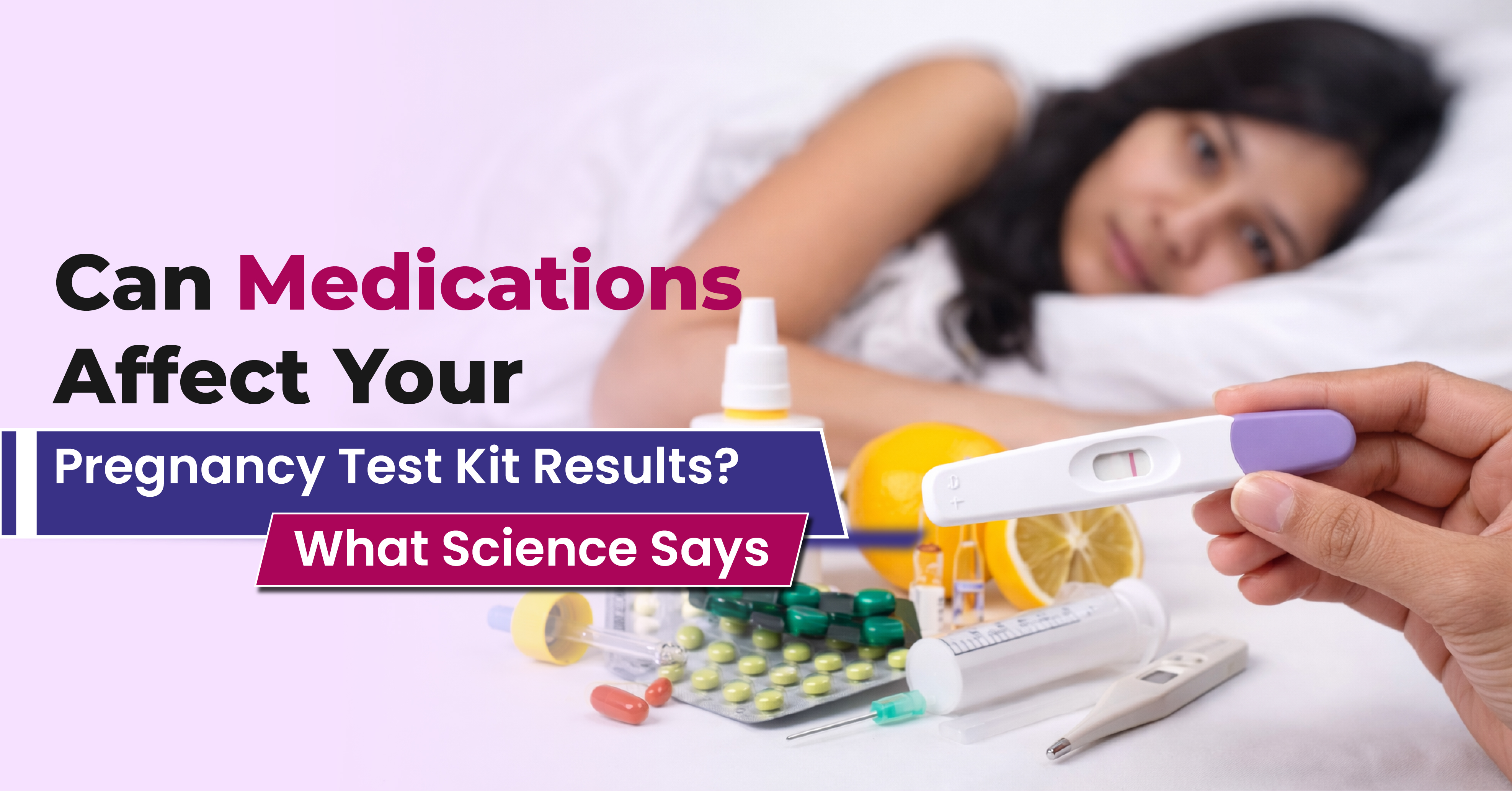
Taking a pregnancy test kit can be an emotional moment, especially when you’re actively trying to conceive or worried about a missed period. One common concern many women have is whether medications can interfere with pregnancy test kit accuracy. Let’s break down what science actually says—clearing myths from facts—so you can trust your results with confidence.
A home pregnancy test kit works by detecting the presence of the hCG hormone in urine. hCG (human chorionic gonadotropin) is produced after a fertilized egg implants in the uterus—usually 6–10 days after ovulation.
Reliable kits like PregaFlash Pregnancy Test Kit are designed to detect even low levels of hCG, helping with early pregnancy testing when used correctly.
The good news? Most everyday medicines do not interfere with your pregnancy test kit results, including:
These medications do not contain hCG, so they won’t cause a false positive pregnancy test.
Certain fertility medications can affect pregnancy test kit accuracy, especially those that contain hCG, such as:
If you’ve recently taken fertility drugs, your test may show a false positive pregnancy test because the kit detects injected hCG—not pregnancy-produced hCG.
In such cases, a blood test to confirm pregnancy is recommended after consulting your gynecologist.
Medications themselves usually do not cause false negatives. However, results may appear negative due to:
Using a high-sensitivity pregnancy test kit like PregaFlash helps improve early detection accuracy.
Even when medications aren’t involved, results can be influenced by:
Always read the instructions carefully and test with first-morning urine for best results.
If you’ve:
Your next step should be to consult a gynecologist, who may recommend:
A reliable kit ensures peace of mind during an important moment. PregaFlash Pregnancy Test Kit is designed for:
Most medications won’t interfere with your pregnancy test kit, but fertility drugs containing hCG can affect results. Understanding how your test works—and choosing a sensitive, reliable kit—makes all the difference.
When in doubt, don’t panic. Retest after a few days or consult your gynecologist for confirmation and next steps.

Join Pregaflash for exclusive insights, expert tips, and special promotions. Your well-being matters, and we're here to support you.
Sign up now! - The Pregaflash Team